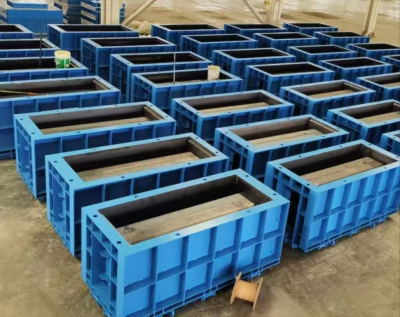
Quickly assemble molds to cope with emergency construction
In the context of the accelerated global urbanization process and the frequent occurrence of extreme climate events, the housing mold industry is facing an urgent challenge: how to provide high-quality architectural solutions for post-disaster reconstruction, refugee resettlement, or rapid community development within the shortest possible time. Traditional construction methods often fail to meet the demanding requirements for speed and scale in such emergency construction. Recently, an innovative rapid assembly mold system has emerged in the international construction market, thanks to its outstanding design flexibility, simple operation procedures, and excellent finished product quality, and is becoming a powerful tool to address emergency construction needs around the world.
Design Innovation: Simplify Processes, Enhance Efficiency
The core advantage of the new rapid assembly mold system lies in its revolutionary design concept. Unlike the complex components and cumbersome fixation steps of traditional molds, this system adopts a highly modular and standardized unit design. Each mold unit is equipped with precise snap-fit or self-locking connection mechanisms. Construction workers do not need to rely on a large number of heavy machinery or special tools; they can simply complete precise assembly and secure locking through simple manual operations.
This design has completely transformed the construction logic of the molds. It simplifies the complex work that was originally done by professional technicians into a standardized process that can be quickly trained. Even in situations where the construction site conditions are limited and there is a shortage of skilled workers, ordinary volunteers or local laborers who have received basic training can quickly get started and effectively form an efficient construction team, thereby providing a solid human resource guarantee for the rapid advancement of emergency projects. 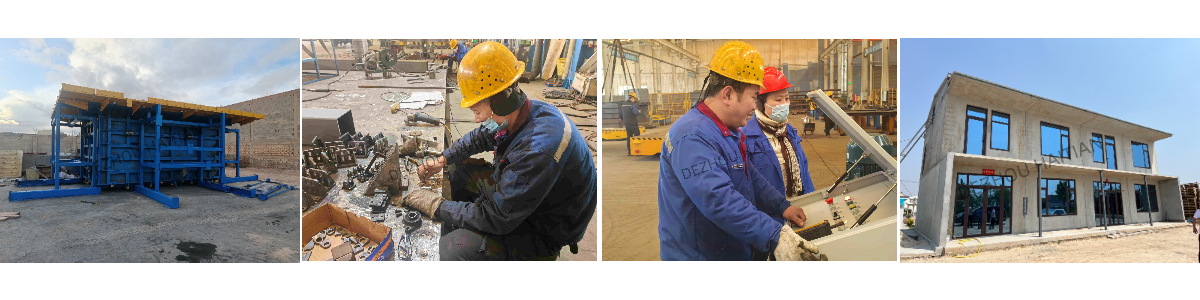
Material and Process: Balancing Lightness and Strength
To ensure that the advantage of quick assembly is not hindered by the material properties, this type of mold has also undergone in-depth optimization in material selection. Leading manufacturers in the industry generally use aerospace-grade aluminum alloy or high-strength composite engineering plastics to manufacture the main body of the mold. These materials achieve the ultimate lightweight while ensuring the structural rigidity of the mold and its durability for repeated use.
The lightweight property brings multiple benefits. Firstly, the transportation cost of molds is significantly reduced, and the number of molds that can be loaded in a single standard container has increased significantly. This is crucial for emergency international aid projects that require cross-border transportation. Secondly, the on-site handling and installation are more effortless and efficient, further accelerating the construction pace. More importantly, these materials have excellent anti-deformation capabilities and smooth surface treatment processes, ensuring that each pouring can produce precisely sized and smooth-surfaced precast concrete components, fully meeting the quality standards of permanent buildings.
Application Prospects: Reconstructing Emergency Construction Models
The emergence of rapid assembly mold systems is reshaping the emergency construction management models from government agencies to non-profit organizations. For the reconstruction work after sudden natural disasters, this technology can achieve a balance between "speed" and "quality", helping displaced people return to safe and stable homes within a period far exceeding the traditional construction time.
At the city level, it also provides a new and rapid response option for addressing the housing shortage crisis or meeting the temporary facility needs of large-scale events. Developers can utilize this system to establish high-quality transitional or permanent communities within a short period of time, effectively alleviating social pressure.
Industry experts point out that rapid mold assembly is not only a form of product innovation, but also represents a future-oriented agile construction philosophy. It upgrades the housing molds from mere production tools to a strategic resource that can be rapidly deployed. As this technology continues to mature and become more widespread, the global emergency response system and sustainable urban construction will receive more reliable technical support, allowing for more time to respond to various sudden challenges.